Playing scales and chords - Why?
· Nikolay Tsolov
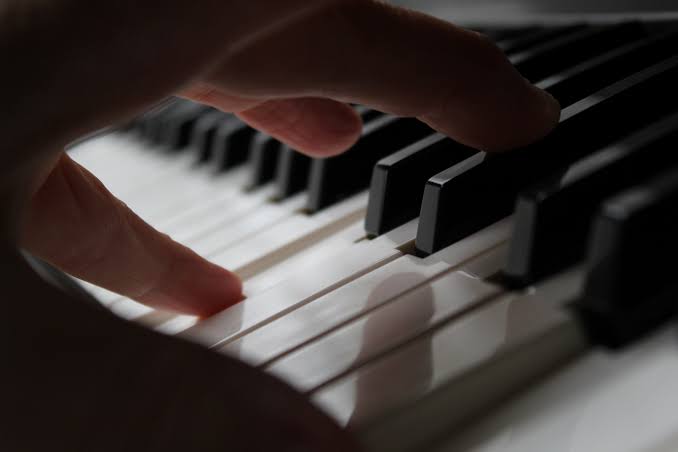
This blog is about the Scales, Broken Chords and Arpeggios
A lot of people also my students asked why it is important to play and practice scales, broken chords and arpeggios when there are so many more interesting things to dive into like songs or classics.
At first glance scales and broken chords look really boring. But …. Playing them is a kind of basis to get your hands and fingers in a friendly communication with the instrument. Giving more time to scales and chords lets the pianist create good contact with the keyboard. That is a great time and way to get good at positioning, fingering, and controlling the movements. Mostly scales and chords don’t need scores which makes it not a busy job. We can control our own tempo, articulation and dynamic of playing. It is nice to warm up as a start.
A bit further:
It is important to be patient and to understand - playing scales is a basis that will bring benefits soon to the music you play.
A lot of music is based on scales and chords - the more practicing them, the more you get a chance to play further technical pieces.
The scales shall be played rhythmically, with the right fingers using the same dynamic in the beginning. The broken chords and arpeggios shall be played with the right fingers, starting slowly and hard. Later on we can do our own version of tempo, accents, playing in octaves or different intervals.
Of course, every piano teacher shall guide you well in this matter. Actually, all pro musicians know the good effect of this “boring" work 🙂.
A bit further:
Another benefit of playing that stuff is the theoretical knowledge that comes automatically because of using certain tones, sharps and flats. It is a great exercise for the brain. In every different key every toon scale looks like a different configuration on the keyboard. Soon you will notice that in almost every classical or modern music there are a lot of them. / Arpeggiators, accompaniments or just melodies using scales, broken chords and arpeggios.
My advice is - play that stuff 10 -15 min a day in the beginning as a warm-up. Soon you will feel your hands and fingers more relaxed and quicker on the keyboard. Thankfully, nowadays on the Internet it is easy to find all of the scales and chords with the right fingers till you find your teacher.
Success with the Scales, Broken Chords and Arpeggios!